

Articles
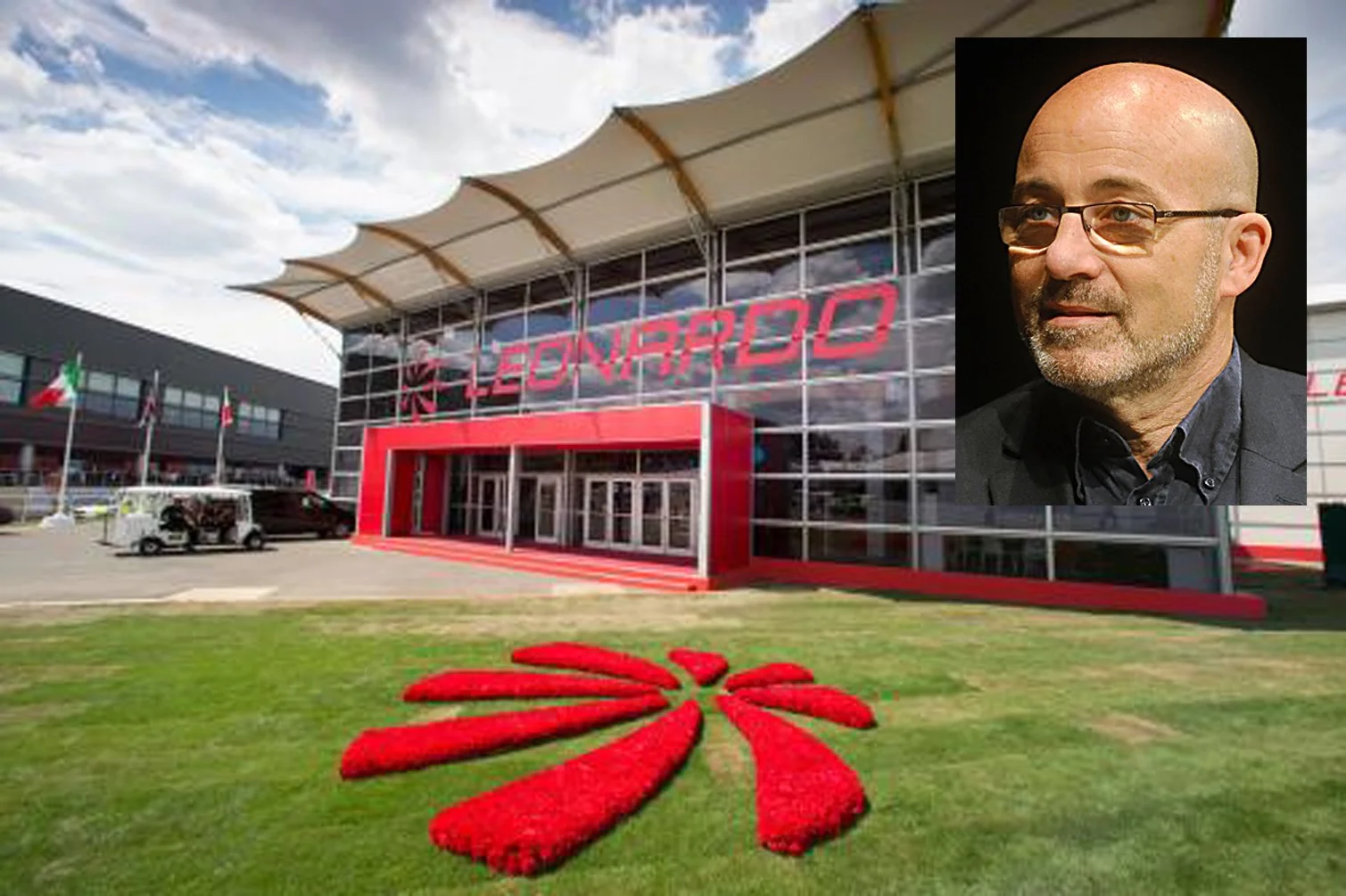
Leonardo’s future amid political tensions
The article outlines the removal of Roberto Cingolani from Leonardo’s guidance, the reasons behind this sharp decision and what the market and investors expect for the future.
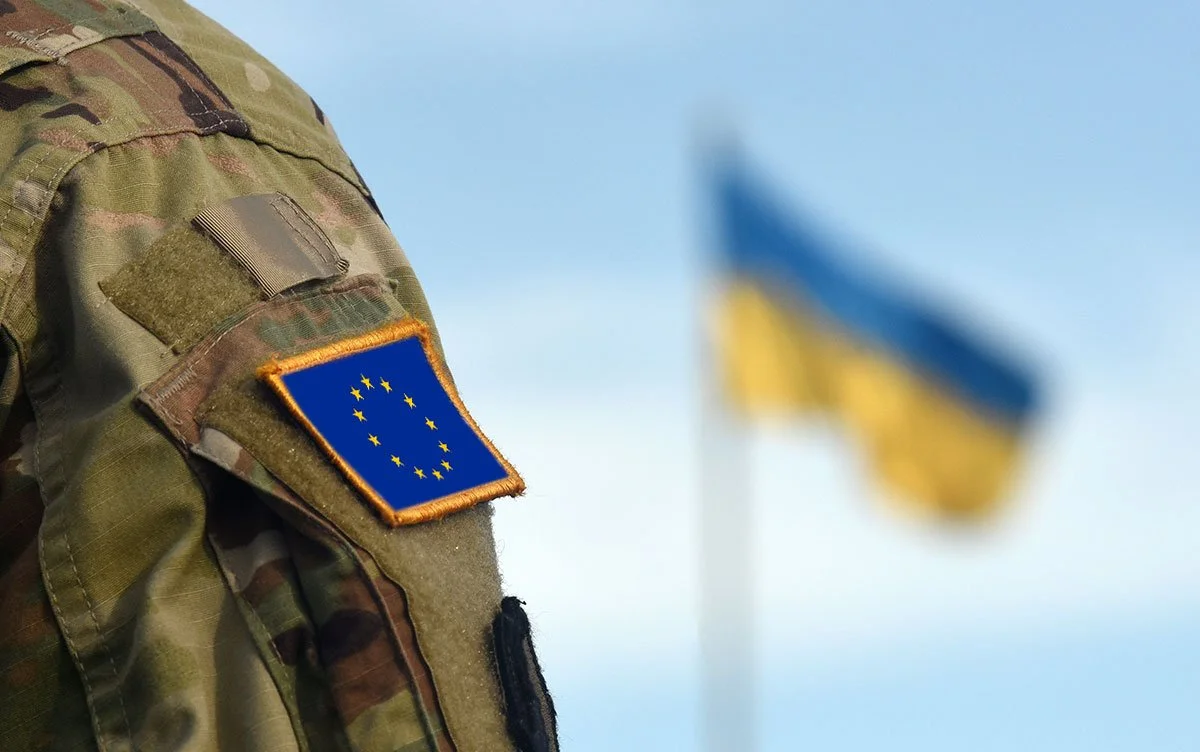
From Ukraine to Common Defence: a unique opportunity for Europe
While Europe struggles to build a common defence, Ukraine is already shaping the future of warfare. The question is whether the EU can turn this experience into real strategic autonomy or remain fragmented.
The Power of Money: Sanctions in Modern Diplomacy
Sanctions have become a central tool of modern diplomacy, allowing states to exert pressure without resorting to force. This article examines their role, their limitations, and what shapes their effectiveness.
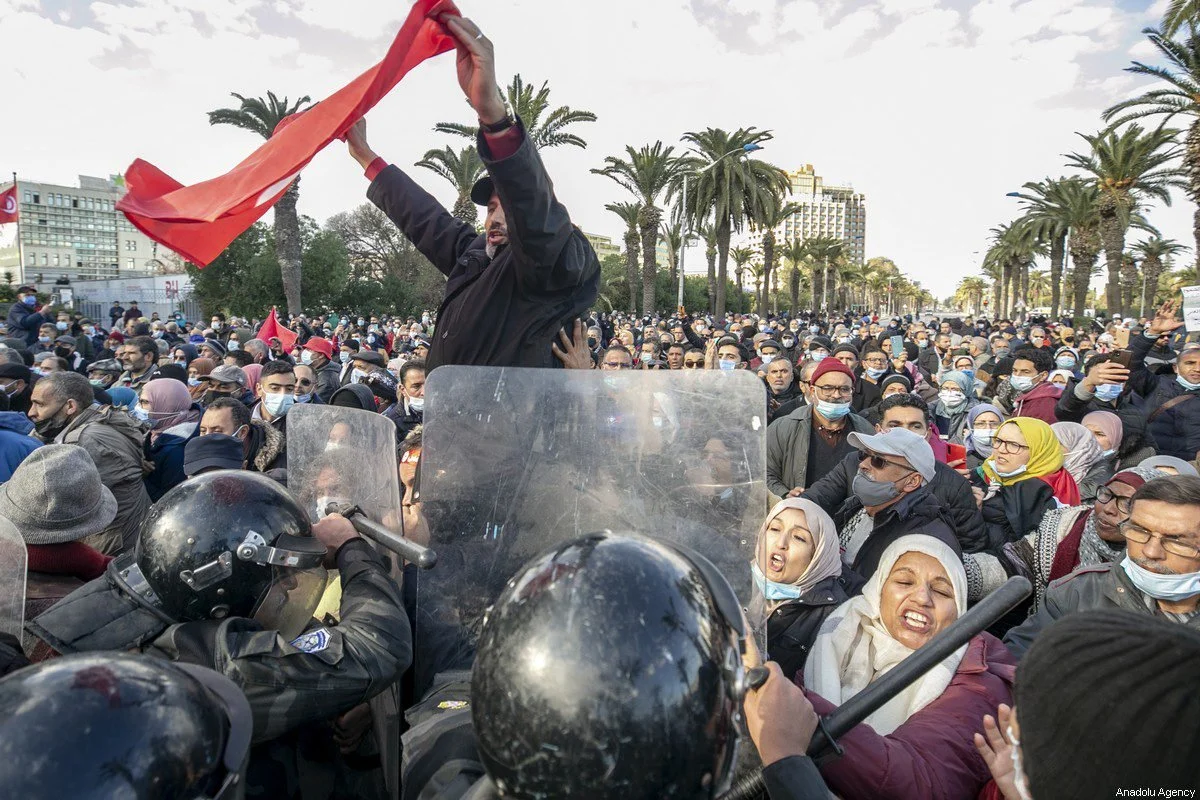
The Quiet Expansion of Executive Power Through ‘Emergency’ Laws
Whilst emergency laws are necessary for democratic constitutions to effectively respond to emergency situations, the persistence of these powers beyond the emergency context threatens the constitutional order they initially intended to safeguard.
The Price of War: A Macroeconomic Analysis on the Impact of the Gulf War
While the recent U.S.-Iran truce has provided temporary public relief, prices have yet to return to pre-conflict levels. Investors remain cautious, as uncertainty regarding the agreement's longevity and the commitment of both parties maintains a high risk premium.
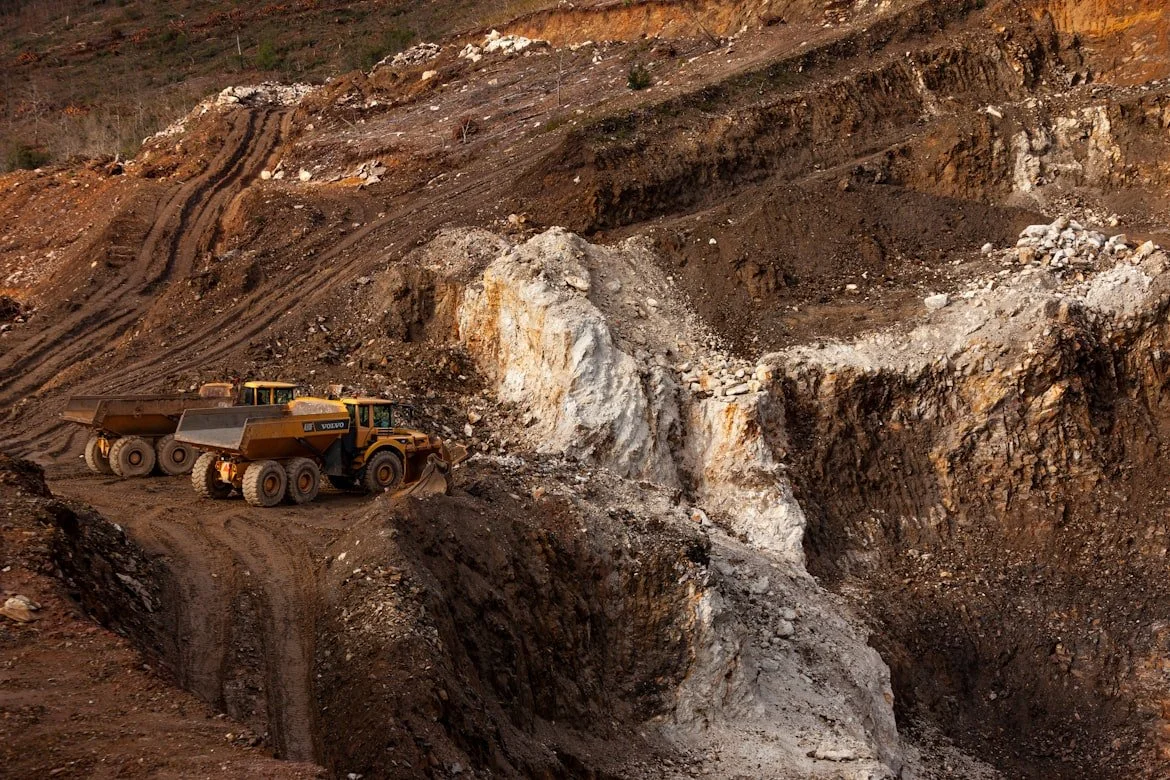
The New Resource Race: Critical Minerals
With rapid technological growth, demand for critical minerals is compounding; however, access to them is geopolitically vulnerable, giving rise to a new resource race that leads to both cooperation and conflict.
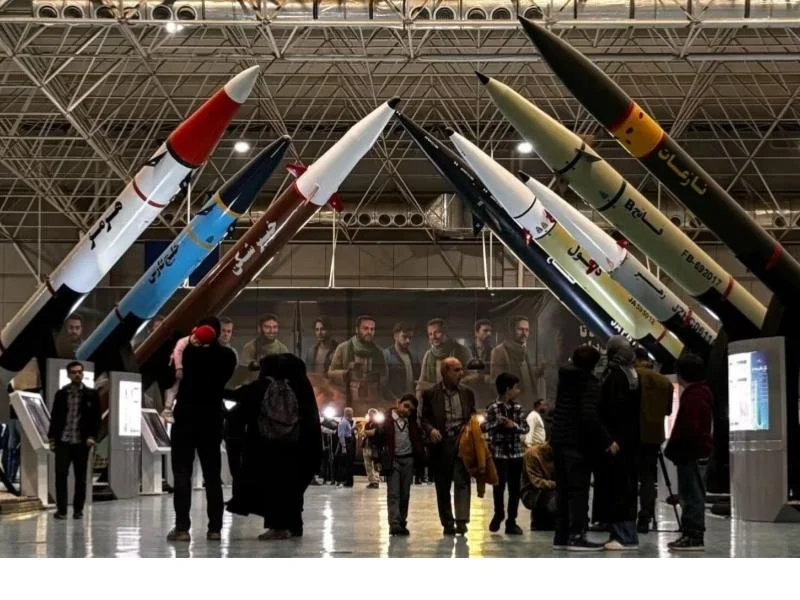
The American “Hit List”: Afghanistan, Iraq… and Now Iran? Or a Different Kind of Conflict?
On the surface, American attacks on Iran appear reminiscent of its past involvement in the region; it may seem that Iran faces a similar fate to that of Afghanistan or Iraq. Yet, such comparisons overlook the realities of Iran and the US’s global position, which point to a more nuanced reality.
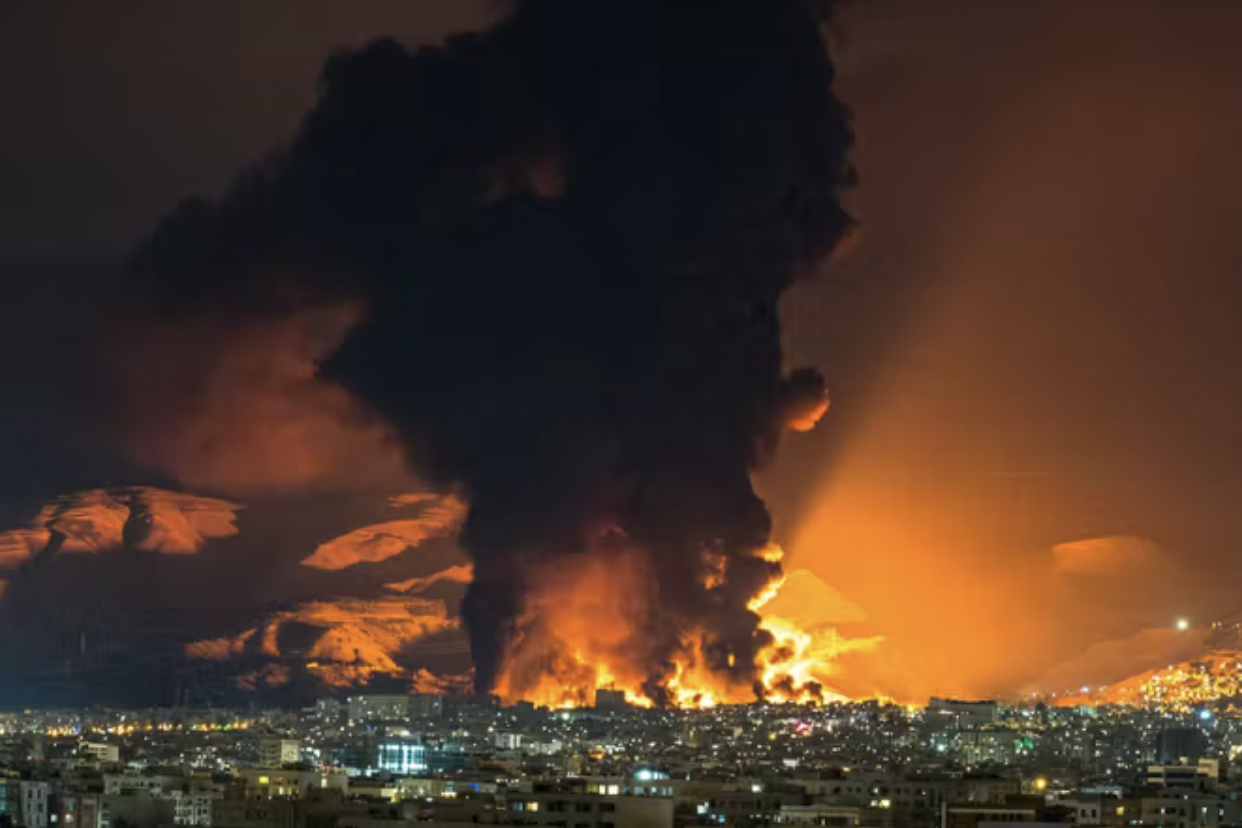
The Laws of War are Breaking Down – Does Anyone Care?
International humanitarian law is being broken down in real time before our eyes. From the Minab school strike to AI-assisted targeting, the war on Iran has exposed what happens when great powers fight without legal consequence.
The Iran & US-Israel War Explained - The Legality Question and the Transatlantic Tensions
The legal debate surrounding the conflict has intensified, with contested claims of self-defence under international law and growing divergence between the United States and its European allies, raising broader questions about legitimacy and alliance cohesion.
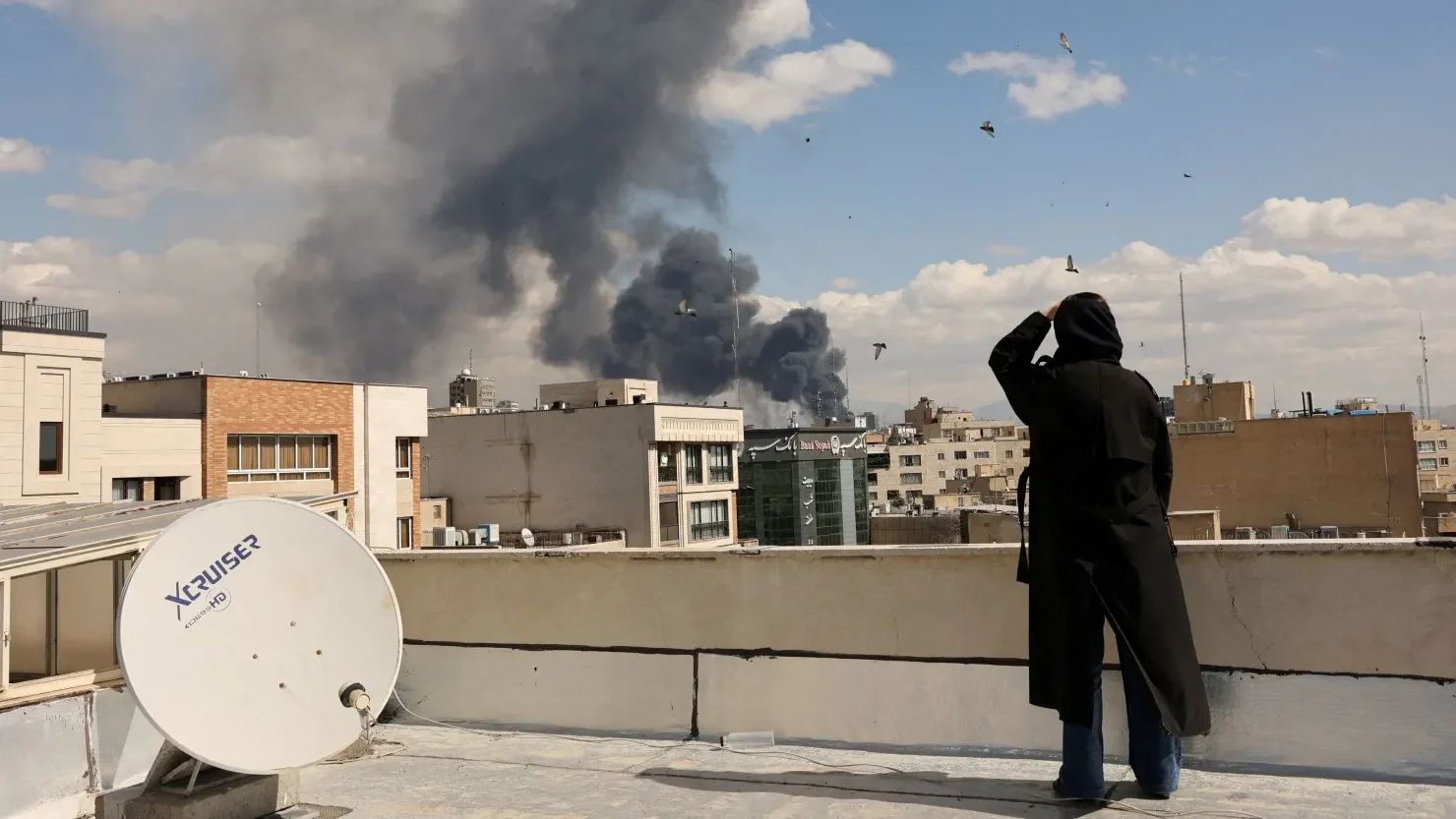
The Iran & USA-Israel War Explained - A Look At The Timeline
The breakdown of U.S.–Iran nuclear negotiations in late February triggered a rapid escalation from diplomatic engagement to coordinated military strikes, drawing regional and global actors into an increasingly volatile confrontation.

The Western ‘Orwellian’ Perspective on the Chinese Social Credit System
This essay will showcase the reasons why Western media outlets depict the Chinese Social Credit System as such. Where do the stereotypes stem from, and what are the myths that need debunking?
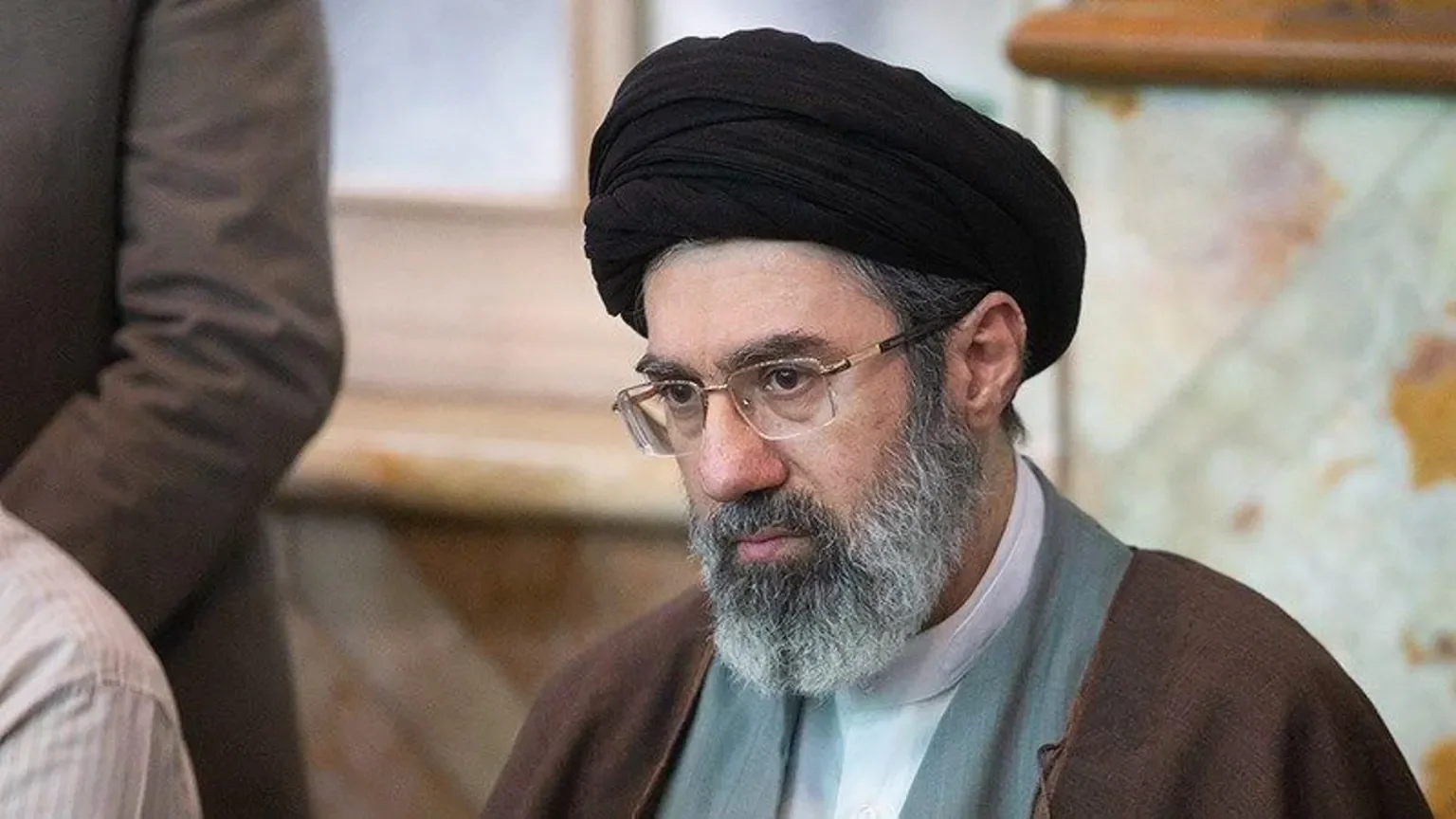
Iran's New Supreme Leader: Who Is Mojtaba Khamenei?
Following the assassination of his father, Iran named Mojtaba Khamenei as its new Supreme Leader on March 8, 2026, a hardline insider with deep ties to the IRGC who has yet to appear in public since taking office.
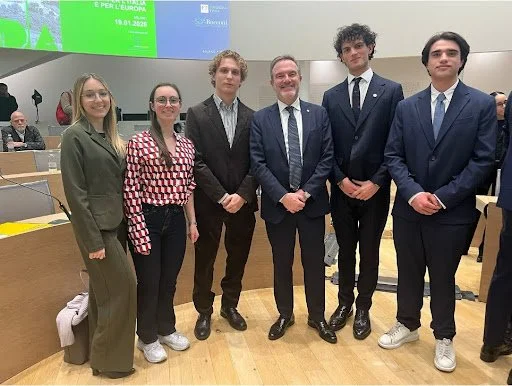
SHIELD at SDA BOCCONI: Building Europe’s Integrated Strategic Hub for Security, Defence and Economic Governance
On 19 January, BOSDIC joined the launch of SHIELD at SDA Bocconi, Europe’s first academic hub devoted to the integrated analysis of defence, security, governance and economics. Bringing together institutional leaders, diplomats and industry representatives, the initiative sets out to interpret the structural transformations reshaping the global order through a multidisciplinary lens.
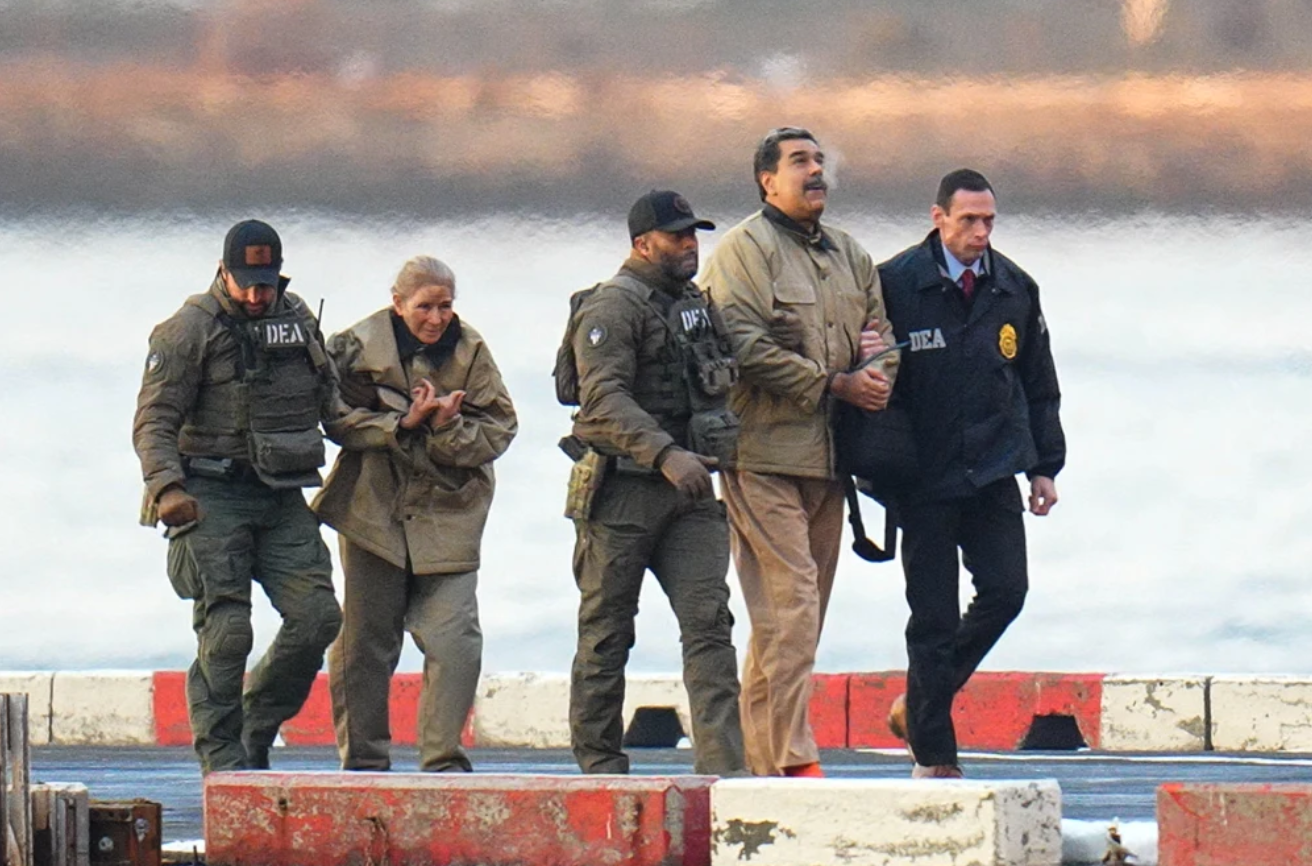
Maduro's Capture: What Does the Indictment Actually Say?
The arrest of Nicolás Maduro on narco-terrorism charges marks a rare moment in international affairs.
Beyond one leader, the case raises deeper questions about sovereignty, accountability, and what happens when state institutions are alleged to operate as criminal networks.
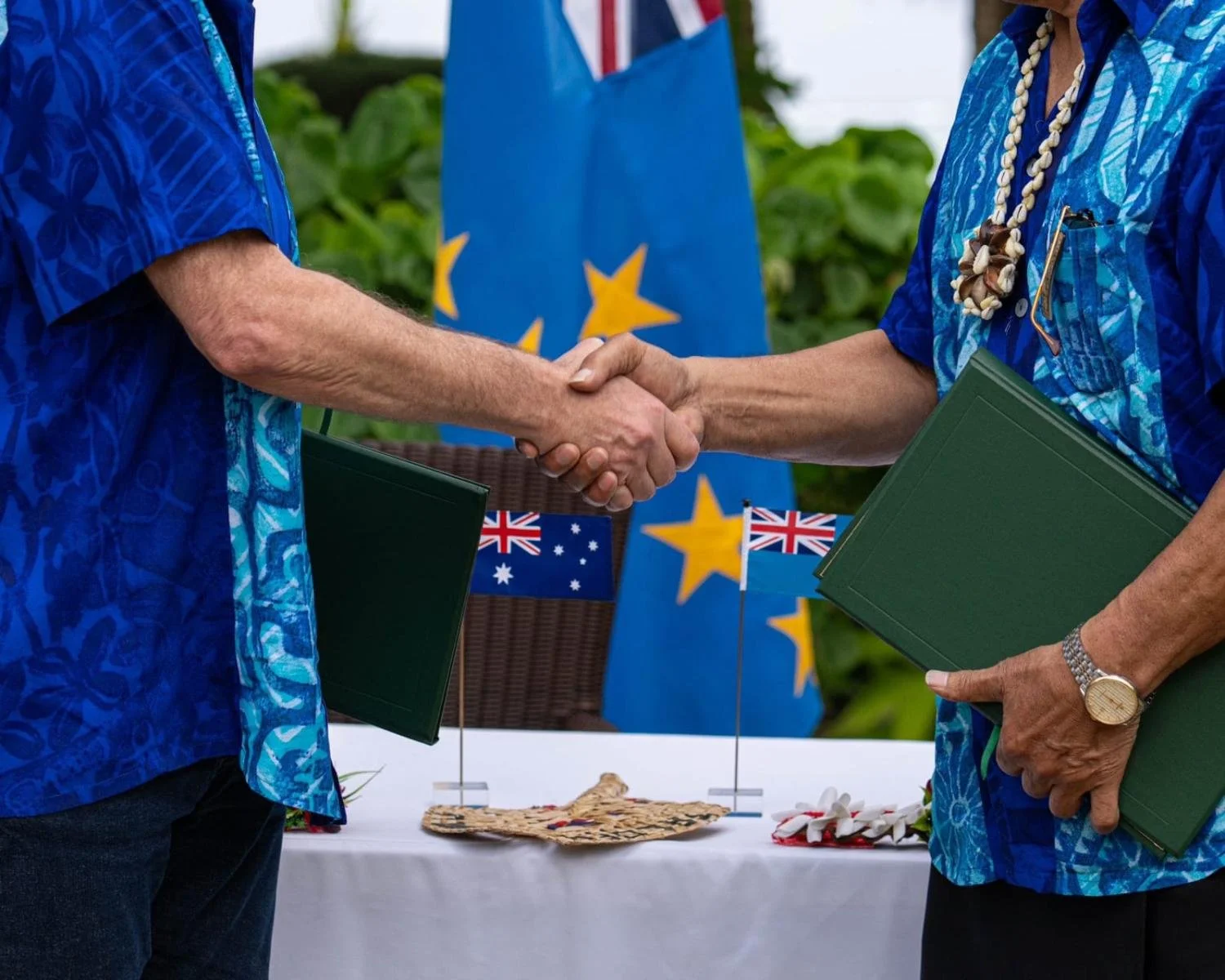
Climate Relocation and the Future of State Sovereignty
Climate change isn’t just altering ecosystems, it’s challenging the foundations of international law. As rising seas force relocation, cases like Tuvalu show how state sovereignty, territory, and human rights are being redefined in real time.
Without legal recognition for climate migrants and a coordinated global framework, displacement risks becoming a silent crisis. The question is no longer if climate relocation will happen, but whether global governance is ready to respond fairly and effectively.
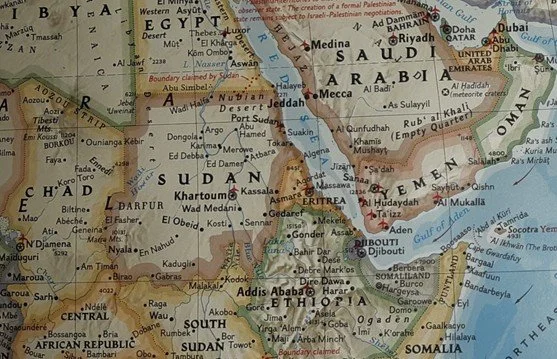
Sudan War and UAE’s Involvement
The article unveils what is going on in Sudan, and what is the role of the UAE in supporting the RSF.
Negotiating an Uncertain Peace – How the EU Fits Into the Latest Push For Stability
Negotiations are resurfacing, not because the conflict is easing, but because all parties face mounting pressure. Europe now finds itself in a pivotal position: not dictating outcomes, but defining what is acceptable.
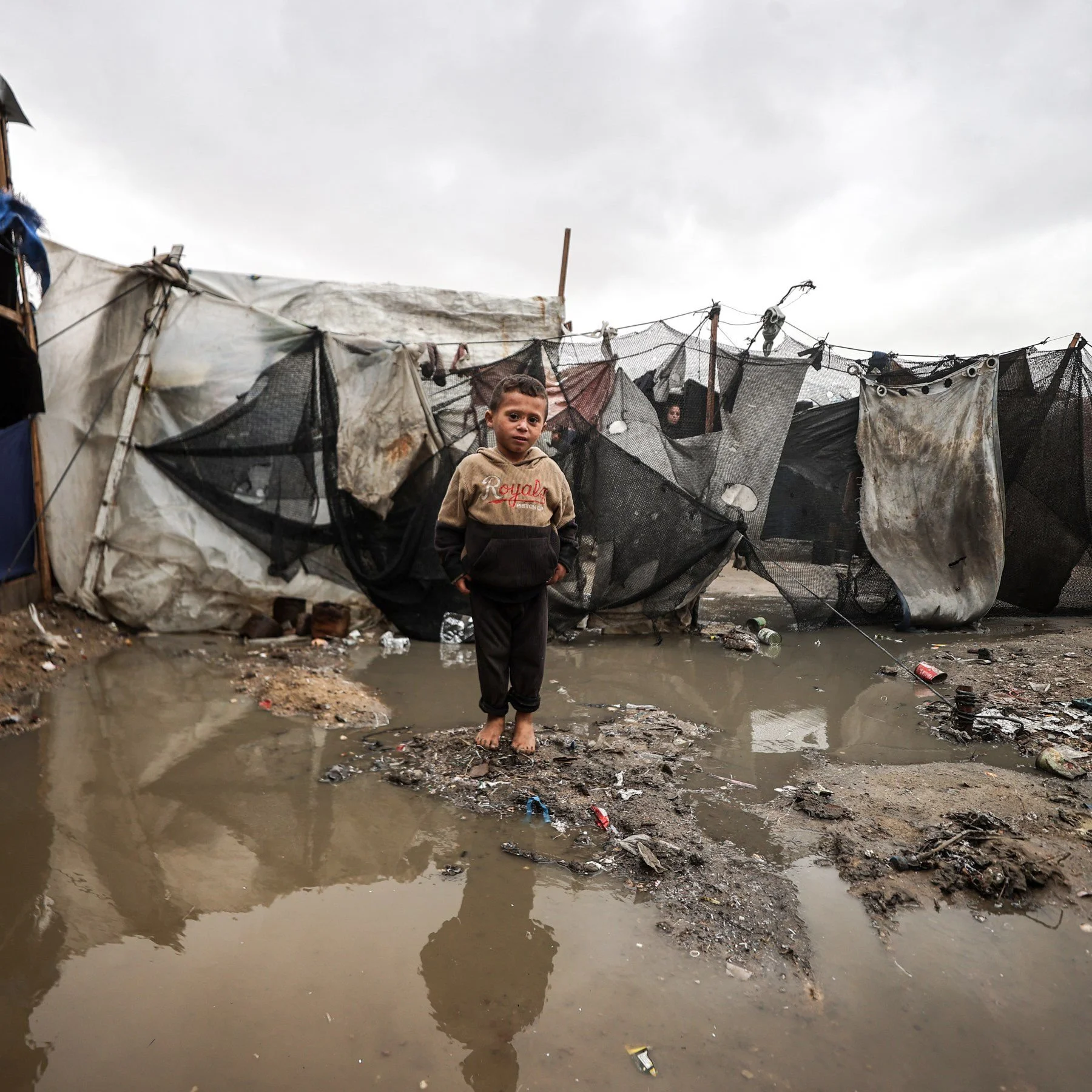
The West’s Moral Reckoning
The war in Gaza is forcing the West to confront its own contradictions.
Here’s how public pressure, strategic interests, and global opinion are reshaping the political landscape.
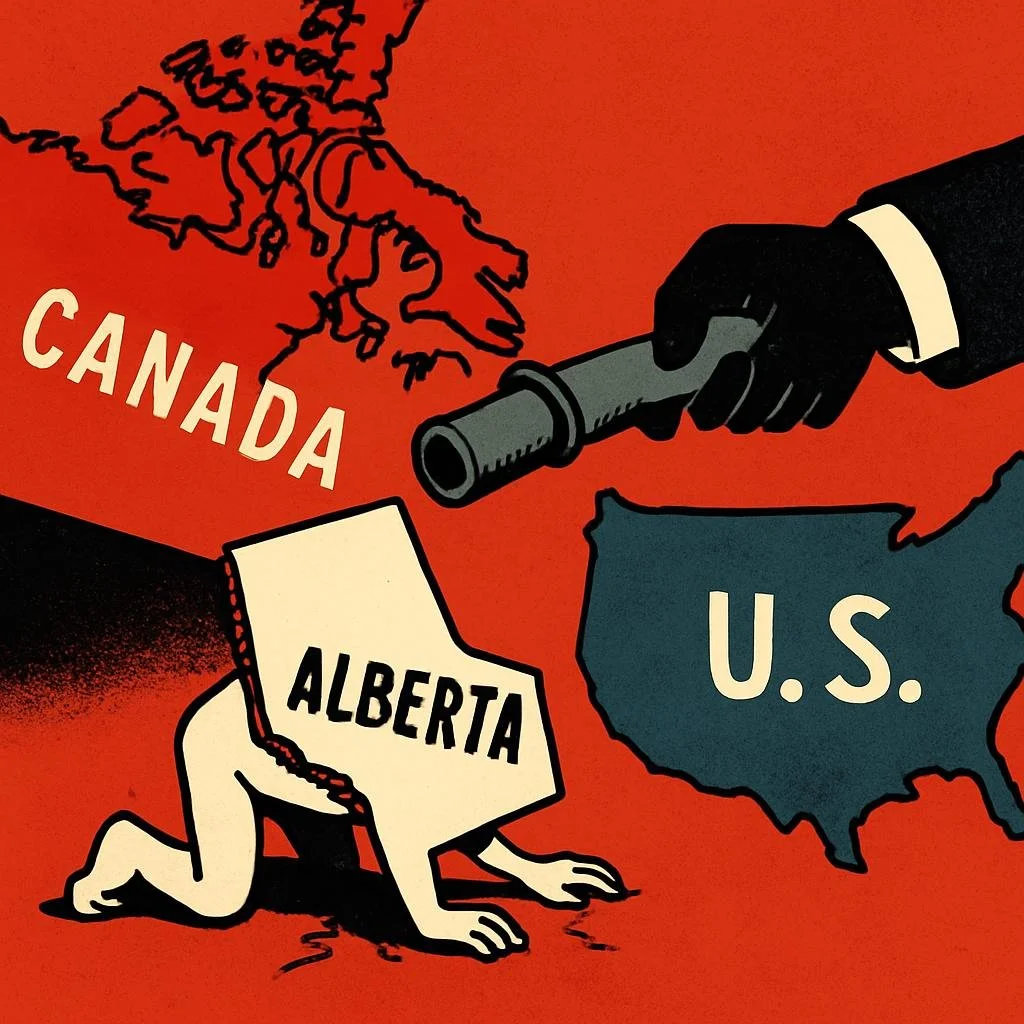
Canada’s Weak Spot: How Alberta Can Become America’s Golden Ticket
Canada’s greatest geopolitical risk might not be foreign pressure, but internal fracture.
Alberta’s rising separatist energy, economic resentment, and political isolation create a pressure point that outside powers could exploit long before outright annexation is ever on the table.
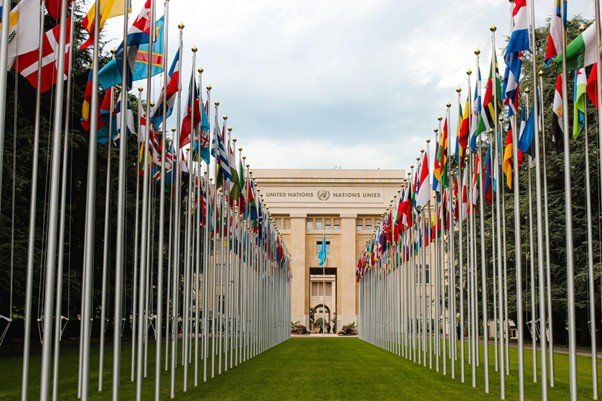
Do We Still Need the UN?
Nowadays the UN is receiving a lot of criticism for its shortcomings, but this is only one side of the story. The UN is the only forum capable of coordinating responses to transnational crises. Though change is necessary, abandoning it is not the answer.
Our writers
-

Chiara Scalco
-

Lupita De Smet
-

Flavia Lo Giudice
-

Albane Carde
-

Giovanni Pazzuconi
-

Marianna Calocero
-

Eleonora Cecchini
-

Emna Coigny
-

Claudia Devda
-

Audrey Dubourg
-

Maria Letizia Massa
-

Liam Smith
-

Matilda Ines Sorzana
-

Anna Togonidze
-

Antonio Marrone
-

Sonia Ionita
-

Siena Jackson
-

Livia Paternostro
-

Diana Isnardi
The article outlines the removal of Roberto Cingolani from Leonardo’s guidance, the reasons behind this sharp decision and what the market and investors expect for the future.